Steel in Nuclear Energy: Reactor Vessels, Primary Piping & Containment
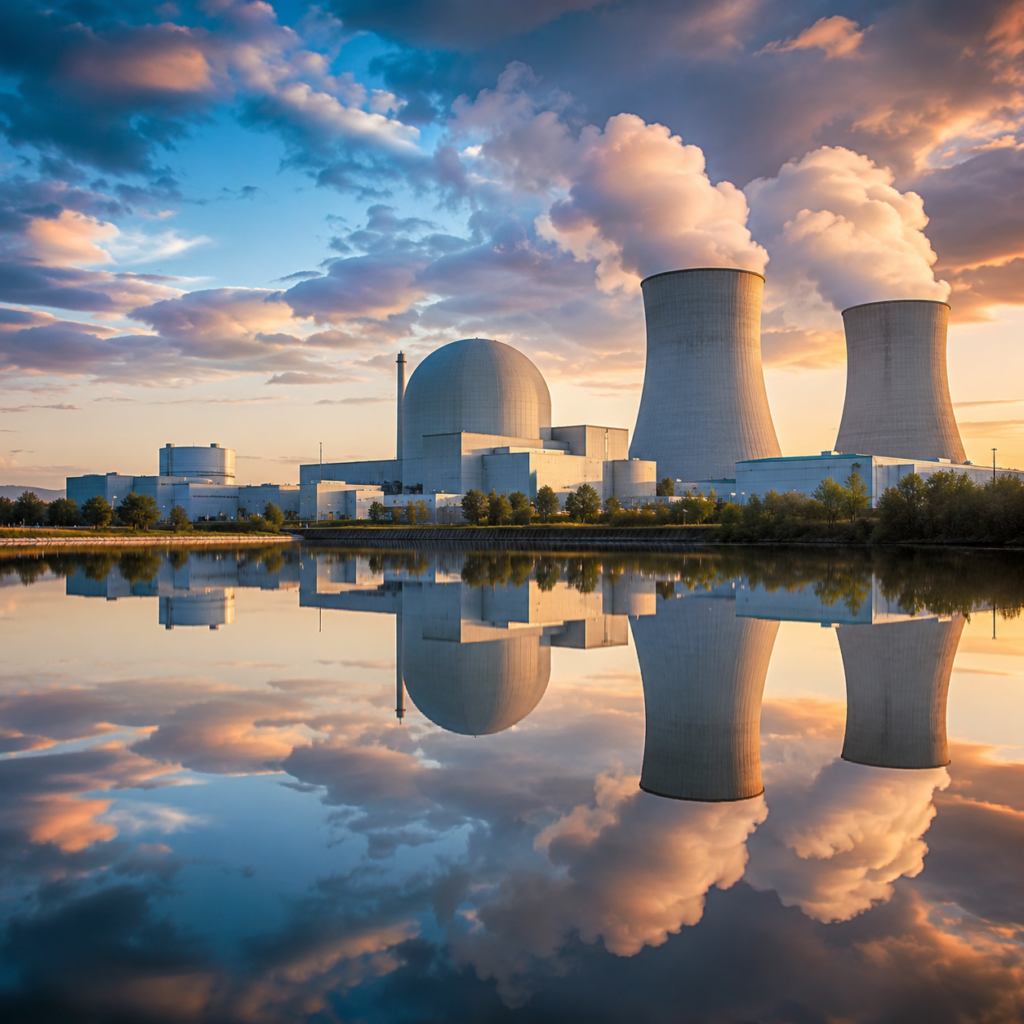
Nuclear power plants require steel products that meet the most stringent quality requirements of any industrial application. The consequences of material failure in the primary pressure boundary of a nuclear reactor a pipe rupture, a reactor vessel crack, or a containment breach are catastrophic and essentially irreversible. These risks drive a quality management framework for nuclear steel that is fundamentally different from any other industry in its rigor, documentation requirements, and oversight structure. Global Steel Industries works with nuclear-qualified supply chains to provide access to nuclear-grade steel materials
For an accurate quotation, provide the following information:
- Reactor Pressure Vessel Steel
The reactor pressure vessel (RPV) a massive cylindrical steel pressure vessel typically 5–6m in diameter, 15–20m tall, and 200 to 300mm wall thickness contains the nuclear reactor core under primary coolant pressure of approximately 155 bar at 320°C in a pressurized water reactor (PWR). The RPV must maintain structural integrity for 60 years under these demanding conditions, including neutron irradiation embrittlement that progressively reduces the fracture toughness of the steel. ASTM A508 Class 3 (SA-508 under ASME designation) a nickel chromium-molybdenum vanadium low-alloy steel is the standard RPV material. It is produced by ingot casting of massive heat treated forgings with tightly controlled chemistry (particularly low copper and nickel to minimize irradiation embrittlement) and exhaustive qualification testing including Charpy impact testing and fracture mechanics reference temperature determination
- Primary Coolant Piping
- Containment Structures
- Nuclear Quality Assurance: 10 CFR 50 Appendix B
Nuclear Quality Assurance programmes in the USA are governed by 10 CFR 50 Appendix B and its ASME NQA-1 implementation standard, which requires documented quality management systems covering design control, procurement document control, supplier qualification, receiving inspection, non-conformance reporting, and corrective action. The documentation burden is enormous — but the traceability this creates provides the basis for confident long-term operation of nuclear facilities. Global Steel Industries can support nuclear steel procurement by connecting clients with qualified nuclear material suppliers, providing ASME material certifications, and coordinating third-party inspection requirements for nuclear material orders
- Material Traceability and Certification
One of the defining characteristics of nuclear steel procurement is complete material traceability. Every component used in a safety-related application must be traceable back to its original material heat, manufacturing process, inspection records, and applicable certification. This includes maintaining identification through cutting, forming, machining, welding, heat treatment, and final inspection. Material Test Certificates (MTCs) for nuclear applications contain considerably more information than standard commercial certificates. Depending on the specification and nuclear safety classification, documentation may include chemical analysis, mechanical test results, heat-treatment records, impact testing, ultrasonic examination, dimensional inspection, and supplementary requirements specified by the purchaser or nuclear code.This documentation enables nuclear operators and regulators to establish a permanent history for critical components throughout their service life.
- Welding and Fabrication Requirements
Welding is another critical consideration in nuclear-grade steel fabrication. Components such as reactor vessels, primary piping, steam generator connections, and containment structures rely on highly controlled welding procedures to achieve the required mechanical properties and structural integrity. Welding procedures must be qualified according to the applicable ASME requirements, while welders and welding operators must hold the appropriate qualifications. Variables such as welding consumables, preheat temperature, interpass temperature, heat input, post-weld heat treatment, and shielding conditions are carefully controlled and documented. Non-destructive examination is also an essential part of nuclear fabrication. Depending on the component and safety classification, inspection may include radiographic testing (RT), ultrasonic testing (UT), magnetic particle testing (MT), liquid penetrant testing (PT), and visual examination (VT). The objective is not simply to identify visible defects but to demonstrate that critical components meet stringent acceptance criteria before entering service
- Irradiation, Corrosion and Long-Term Performance
Unlike conventional industrial equipment, nuclear components must be designed for decades of operation. Steel materials are therefore evaluated not only for their initial mechanical properties but also for how those properties may change during service. Reactor pressure vessel steels are particularly affected by neutron irradiation. Over time, irradiation can increase hardness and shift the ductile-to-brittle transition temperature, potentially reducing fracture toughness. Material selection, chemistry control, surveillance programmes, and conservative design requirements are therefore important elements of reactor vessel integrity management. Stainless steels used in primary coolant systems must also withstand elevated temperatures, pressure, thermal cycling, and corrosive reactor coolant environments. Proper control of material chemistry, fabrication practices, welding procedures, and operating conditions helps minimise risks such as stress corrosion cracking and other degradation mechanisms
- Procurement Considerations for Nuclear Projects
- For EPC contractors, nuclear utilities, fabricators, and specialist engineering companies, procurement of nuclear-grade steel requires significantly more planning than conventional steel purchasing. The material specification must be established at the beginning of the procurement process, including the applicable ASME Section III requirements, material grade, safety classification, supplementary testing, inspection requirements, documentation package, and acceptance criteria.
- Supplier qualification is equally important. Nuclear projects generally require suppliers to demonstrate appropriate quality systems, technical capabilities, manufacturing experience, inspection facilities, and documented control procedures. Third-party inspection may also be required at defined manufacturing stages.
- Global Steel Industries can assist buyers by coordinating with qualified supply sources and helping establish the documentation and inspection requirements before an order is placed. This approach helps reduce the risk of material substitutions, incomplete certification, or documentation gaps that could delay project schedules
- Choosing the Right Nuclear Steel Supply Partner
- Nuclear steel procurement is ultimately about more than finding a material grade at a competitive price. It requires a supply chain capable of maintaining specification compliance, traceability, inspection control, documentation integrity, and reliable delivery throughout the project.
- Whether the requirement involves low-alloy steel for reactor pressure vessel applications, austenitic stainless steel for primary piping, carbon steel plate for containment structures, or specialised nuclear-grade components, every purchase must be evaluated against the applicable project and code requirements.
- Global Steel Industries supports nuclear-sector procurement by connecting customers with qualified material sources and coordinating certification, inspection, and documentation requirements. By focusing on traceability and quality at every stage, the company helps customers source critical steel materials with greater confidence.
- Conclusion
Steel remains fundamental to nuclear power generation, from the reactor pressure vessel and primary coolant circuit to containment structures and supporting safety systems. The extreme operating conditions and exceptionally long service life of nuclear facilities demand materials with predictable performance, rigorous testing, and comprehensive documentation. For nuclear projects, selecting the correct steel is only the beginning. Qualification, fabrication, inspection, traceability, certification, and quality assurance must work together to ensure the integrity of safety-related components. Global Steel Industries provides access to nuclear-qualified steel supply chains for demanding nuclear power applications. For nuclear-grade steel, reactor vessel materials, primary piping materials, containment steel, and related procurement requirements, contact Global Steel Industries through globalsteelind.com