
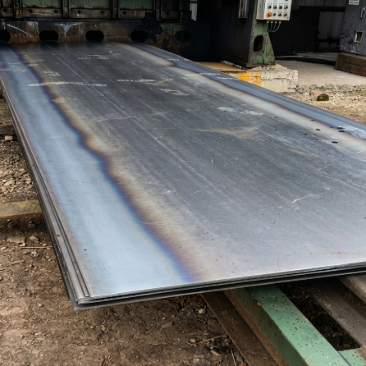
AISI 4140 Alloy Steel
Structural steel material 4140 alloy tool steel 42CrMo grade tool steel 42CrMo steel is ultra-high-strength steel with high strength and toughness, good hardenability, no obvious temper brittleness, high fatigue limit, and multiple impact resistance after quenching and tempering, and good low-temperature impact toughness.
- Email : 9324799893 / 9920397998
- Contact : info@global-steel.net
Product introduction
Hot Rolled Alloy Steel Plate 1.7225 42CrMo4 4140 42CrMo
1: 4140 steel introduction
AISI SAE 4140 alloy steel is a chromium molybdenum alloy steel specification widely used in general purpose high tensile steel for components, like axles, shafts, bolts, gears and other applications. Similar to alloy grade AISI 4130 chrome moly alloy steel but with a slightly higher carbon content. The higher carbon content of AISI 4140 steel gives greater strength and heat treatment capabilities in comparison to AISI / ASTM 4130 alloy steels, however it does have inferior weldability characteristics..
2: 4140 Steel equivalent
| Country | Japan | Germany | Britain | USA | China | Australia |
| Standard | JIS G4105 | DIN 17200 | BS970 | ASTM A29 | GB/T 3077 | AS 1444 |
| Grade | SCM440 | 42CrMo4/1.7225 | EN19/709M40 | 4140 | 42CrMo | 4140 |
3: 4140 steel chemical composition
| Grade | C | Si | Mn | P | S | Cr | Mo | Ni |
| 4140 | 0.38-0.43 | 0.15-0.35 | 0.75-1.0 | 0.035 | 0.04 | 0.8-1.1 | 0.15-0.25 | |
| 42CrMo4 | 0.38-0.45 | 0.4 | 0.6-0.9 | 0.035 | 0.035 | 0.9-1.2 | 0.15-0.3 | |
| EN19 | 0.35-0.45 | 0.1-0.35 | 0.5-0.8 | 0.05 | 0.05 | 0.9-1.5 | 0.2-0.4 | |
| SCM440 | 0.38-0.43 | 0.15-0.35 | 0.6-0.85 | 0.03 | 0.03 | 0.9-1.2 | 0.15-0.3 |
| Size | Round | Dia 6-1200mm |
| Plate/Flat/Block | Thickness 6mm-500mm | |
| Width 20mm-1000mm | ||
| Heat treatment | Normalized ; Annealed ; Quenched ; Tempered | |
| Surface condition | Black; Peeled; Polished; Machined; Grinded; Turned; Milled | |
| Delivery condition | Forged; Hot rolled; Cold drawn | |
| Test | Tensile strength, Yield strength, elongation, area of reduction, impact value, hardness, grain size, ultrasonic test, US inspection, magnetic particle testing, etc. | Application | 4140 alloy steels are used for Components, Adapters, Arbors,strippers, holder blocks, mold bases, ejectors, back up and support tooling, fixtures, jigs, molds, cams, drill collars, Axle Shafts, Bolts, Crankshafts,stubs, couplings, reamer bodies, axles, shafting, piston rods, rams, hydraulic machinery shafts, gears, sprockets, gear racks, chain links, spindles, tool bodies, tool holders, tie rods, Connection Rods, Chuck Bodies, Collets, Conveyor Pins & Rolls, Ejector Pins, Forks, Gears, Guide Rods, Hydraulic Shafts & Parts,Lathe Spindles, Logging Parts, Milling Spindles, Motor Shafts, Nuts, Pinch Bars, Pinions, Pump Shafts,boring bars,tracks, slides, wear strips or parts, forming dies, brake dies, trim dies, bolsters, machinery parts and components, etc.. |
5. 4140 Steel Application
4140steel finds many applications as forgings for the aerospace,oil and gas,automotive, agricultural and defense industries etc.
Typical applications for Scm440 steel uses include:forged gears,spindles,fixtures,jigs,collars,Axles,conveyor parts,crow bars,logging parts,shafts,sprockets,studs,pinions,pump shafts, rams, and ring gears etc
6.Quality control:
1. Melting Process: EAF/BOF+LF+VD resulting in ingots
2. Both ends cut by saw
3. Ratio of forging:minimum 3:1
4. Grain size of final product: according to ASTM E112 more than 5,preferred more than 8
5. Ultrasonic test: As per SEP1921 Class C/c or D/d
7.Heat treatment of 4140 Steel
Quenched and Tempered (+QT) of 4140 Steel
1. Heat 4140 steel slowly to 840-875°C;
2. Soak at this temperature then quench in oil;
3. Temper as soon as 4140 reach room temperature (20°C);
4. Heat uniformly to the suitable temperature of 560°C;
5. Withdraw the material from the furnace and cool in the air.
Annealing of 4140 Alloy Steel
1. Heat the 4140 slowly to 800-850°C and allow enough time.
2. Cool slowly in the furnace to 480°C followed by air cooling